
Introduction
Universal Health Coverage (UHC) has become a central goal in Nigeria’s health policy landscape. It represents a commitment to ensuring that all individuals have access to quality health services without financial hardship. Yet, despite strong policy frameworks and increasing political attention, progress remains uneven. The real challenge is no longer policy design — it is implementation.
The Policy–Practice Gap
Nigeria has made significant strides in developing national strategies, including the National Health Insurance Authority (NHIA) reforms. However, these policies often struggle to translate into measurable outcomes at the state and community levels.
Key issues include:
- Weak institutional capacity
- Inconsistent funding
- Fragmented service delivery systems
- Limited accountability mechanisms
Without addressing these gaps, policies risk remaining aspirational rather than transformational.
Financing as the Foundation
Sustainable health financing is critical to achieving UHC. Many Nigerians still rely heavily on out-of-pocket payments, which can push households into poverty.
To strengthen financing:
- Expand risk pooling mechanisms
- Improve budget allocation efficiency
- Strengthen state-level insurance schemes
- Increase transparency in fund utilization
A well-structured financing system is the backbone of equitable healthcare access.
Strengthening Primary Health Care
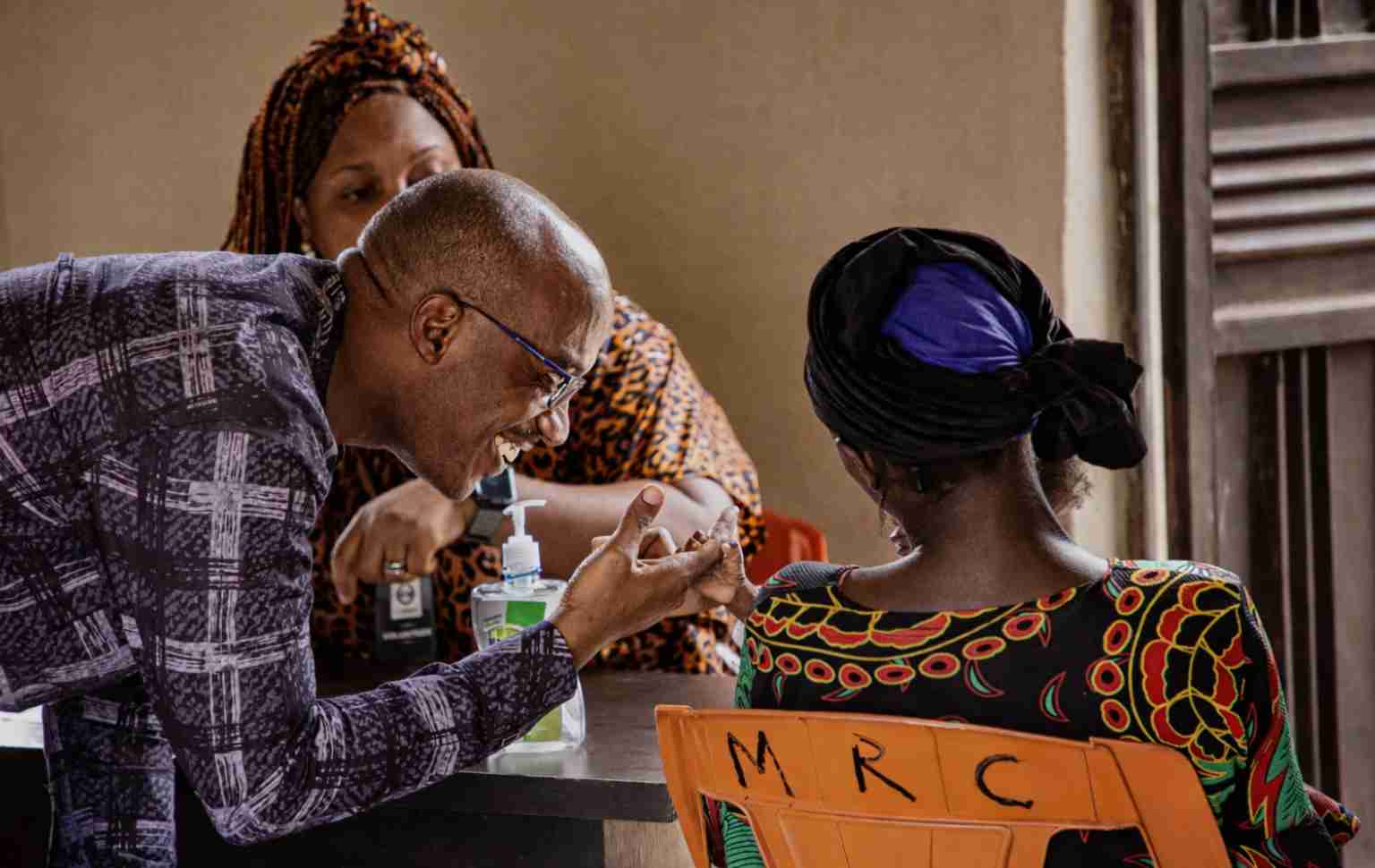
Primary Health Care (PHC) is the most effective pathway to achieving UHC. However, PHC facilities in many parts of Nigeria face challenges such as inadequate staffing, poor infrastructure, and inconsistent supply chains.
Improvement requires:
- Investment in frontline health workers
- Strengthening referral systems
- Community engagement and trust-building
The Way Forward
Achieving UHC in Nigeria requires a shift in mindset:
- From policy creation → to policy execution
- From centralized planning → to decentralized accountability
- From short-term interventions → to long-term system strengthening
Conclusion
Universal Health Coverage is not just a policy objective — it is a moral and developmental imperative. Bridging the gap between research, policy, and implementation will determine whether Nigeria can deliver on the promise of accessible, affordable, and quality healthcare for all.